
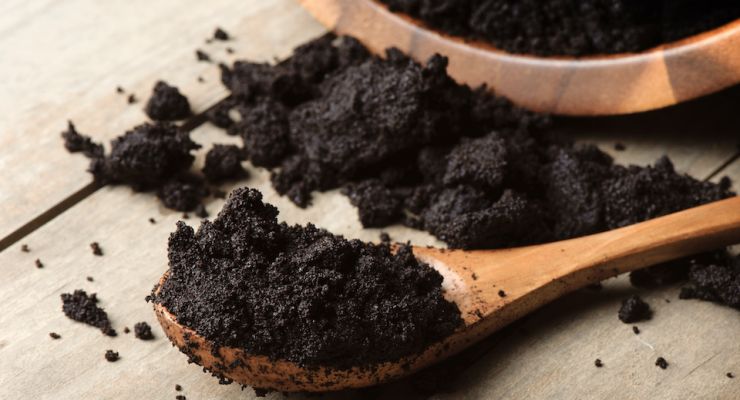
How to Use Spent Coffee Grounds in Baking and Cooking
Coffee lovers know that nothing beats the aroma of freshly brewed coffee. But what happens to the grounds once your
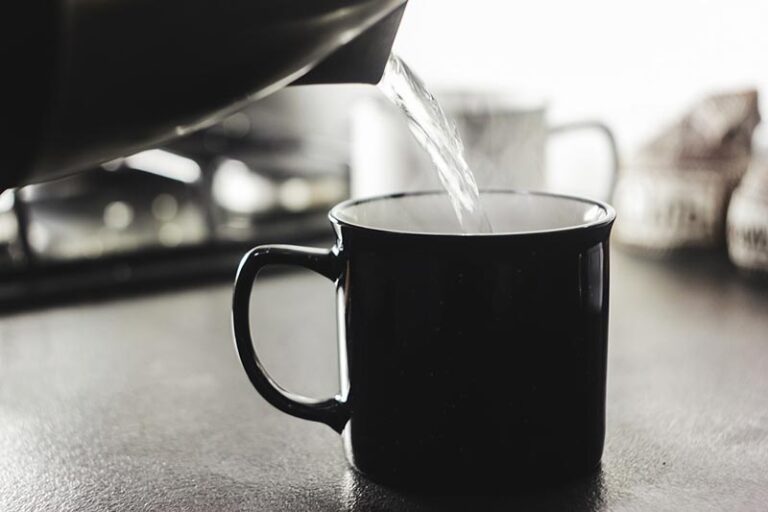
When it comes to making the perfect cup of tea or coffee, most people focus on the leaves, beans, or brewing method. But there’s one crucial ingredient that’s often overlooked: water. As water makes up over 95% of your drink, its quality has a significant impact on flavour, aroma, and overall balance.
At Penningtons Tea and Coffee, we know that exceptional brews are built on the right foundations. In this guide, we explain how water quality affects the taste of tea and coffee and how small changes can dramatically improve your daily cup.
Tea leaves and coffee grounds contain hundreds of flavour compounds that are extracted during brewing. The minerals and impurities in water directly influence how these flavours are released.
Poor-quality water can result in:
Even the finest tea or freshly roasted coffee can underperform if brewed with unsuitable water.
Water isn’t just H₂O—it naturally contains minerals such as calcium, magnesium, and bicarbonates. The balance of these minerals determines whether water is described as soft or hard.
Hard water contains high levels of calcium and magnesium. While small amounts of minerals help extract flavour, too much can:
Black teas may tolerate harder water better, but green, white, and speciality teas often lose their subtle character.
Soft water has fewer minerals. While this can allow flavours to shine, overly soft or demineralised water can:
The goal is balanced mineral content, not the complete absence of minerals.
Tap water is treated with chlorine and other disinfectants to make it safe to drink. Although harmless, these chemicals can negatively affect flavour.
Chlorine can:
This is especially noticeable in lighter teas and specialty coffees, where subtle notes are easily overwhelmed.
Yes—indirectly. Limescale buildup in kettles and coffee machines affects temperature stability and water flow, leading to uneven extraction.
Regular descaling helps:
For most people, filtered water offers the best balance. Water filters reduce chlorine and impurities while retaining beneficial minerals.
Benefits of using filtered water include:
Many tea and coffee professionals recommend filtered water as a simple upgrade with noticeable results.
Bottled water varies widely in mineral content. Some mineral waters are too hard for brewing, while others may be too soft.
If using bottled water, look for:
Still water is always preferable to sparkling for brewing tea and coffee.
Water quality works hand-in-hand with temperature. Using fresh, cold water ensures proper oxygen levels, which aid extraction.
Reboiled or stale water can produce flat-tasting drinks.
To get the best from your tea and coffee:
These small adjustments can transform your everyday cup.
At Penningtons Tea and Coffee, we carefully source our teas and roast our coffees to highlight their unique flavours. Using good-quality water ensures those flavours shine through exactly as intended.
By paying attention to water quality, you’ll unlock more aroma, balance, and depth—making every brew more enjoyable.
Whether you prefer a refined loose leaf tea or a bold, freshly roasted coffee, the right water makes all the difference. Explore the Penningtons Tea and Coffee range and elevate your brewing experience, one cup at a time.
Coffee lovers know that nothing beats the aroma of freshly brewed coffee. But what happens to the grounds once your

At Penningtons Tea & Coffee, sustainability isn’t just a buzzword it’s at the heart of everything we do. From responsibly